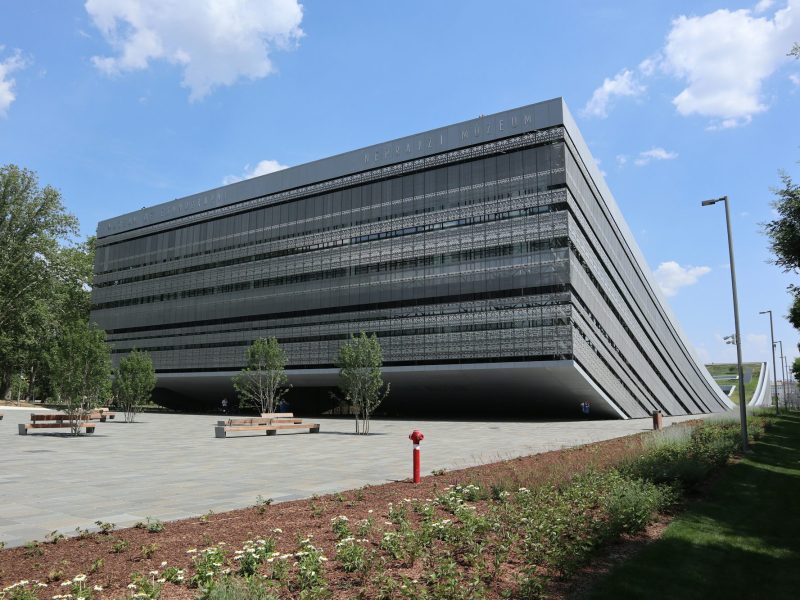
As the world continues to adapt to changes in technology and employee expectations, the concept of the workplace is undergoing a significant transformation. The rise of hybrid work models, which blend remote and in-office work, has become increasingly popular, driven by the need for flexibility, collaboration, and productivity. This article delves into the evolution of workspaces, focusing on the benefits and challenges of hybrid models and their implications for the future of work.
The shift towards hybrid work began to gain momentum during the COVID-19 pandemic, which forced many organizations to rapidly adopt remote work. As companies navigated the challenges of maintaining operations while ensuring employee safety, they discovered the potential benefits of flexible work arrangements. This experience has led to a reevaluation of traditional office settings and has highlighted the importance of adaptability in today’s work environment. Many organizations have realized that employees can be just as productive, if not more so, when given the option to work remotely.
One of the primary advantages of hybrid work models is the increased flexibility they offer. Employees appreciate the ability to choose where and when they work, allowing them to better balance their personal and professional lives. This flexibility can lead to higher job satisfaction and improved employee morale, which in turn can reduce turnover rates. A recent survey found that 72% of employees prefer hybrid work arrangements, underscoring the demand for more adaptable work environments.
Moreover, hybrid models can enhance productivity by allowing employees to tailor their work environments to their preferences. For some, working from home provides fewer distractions and a more comfortable setting, while others may thrive in the collaborative atmosphere of an office. By enabling employees to switch between these environments, organizations can foster greater creativity and innovation. This adaptability can also help teams to harness the best of both worlds, utilizing in-person meetings for brainstorming sessions while relying on remote work for focused tasks.
Despite the numerous benefits, implementing hybrid work models does come with challenges. One significant concern is ensuring effective communication and collaboration among team members, especially when some employees are working remotely while others are in the office. Companies must invest in robust digital communication tools and establish clear guidelines for collaboration to ensure that all team members feel included and valued. This may involve utilizing project management software, video conferencing tools, and instant messaging platforms to facilitate seamless communication across different locations.
Additionally, organizations need to address potential feelings of isolation that remote workers may experience. While hybrid models can foster flexibility, it’s essential to create a sense of belonging among all employees. Regular check-ins, team-building activities, and opportunities for social interaction can help maintain strong connections among team members, regardless of where they are working. Employers should prioritize mental well-being and create an inclusive culture that fosters engagement and support.
Another challenge is managing the logistics of hybrid work arrangements. Organizations need to rethink their physical office spaces to accommodate a more fluid work environment. This may involve creating flexible workspaces that can be easily adapted for different purposes, such as collaboration zones, quiet areas, and meeting rooms equipped with the necessary technology for virtual interactions. By investing in versatile office designs, companies can ensure that their physical spaces support the needs of both remote and in-office employees.
Furthermore, establishing clear policies and expectations is crucial for the success of hybrid work models. Organizations must define guidelines regarding work hours, availability, and communication protocols to ensure that all employees are on the same page. Transparency in these policies will help to mitigate misunderstandings and create a cohesive work environment. Additionally, it is essential to encourage feedback from employees about their experiences with hybrid work, allowing companies to make necessary adjustments and improvements.
As businesses continue to embrace hybrid work models, they must also consider the implications for company culture. The culture of an organization plays a significant role in employee satisfaction and retention, and maintaining a strong culture in a hybrid setting can be challenging. Leaders should prioritize initiatives that reinforce company values and promote a sense of community among employees. This can include recognition programs, professional development opportunities, and open forums for sharing ideas and concerns.
Looking ahead, the future of workspaces is likely to be defined by a continued emphasis on hybrid models. Companies that adopt flexible work arrangements are better positioned to attract top talent and remain competitive in the evolving job market. As technology continues to advance, we can expect further innovations that enhance remote collaboration, making hybrid work even more seamless and efficient.
Ultimately, the evolution of workspaces toward hybrid models reflects a broader shift in societal expectations regarding work-life balance and employee well-being. Organizations that prioritize flexibility, communication, and inclusivity will not only enhance productivity but also create a more engaged and satisfied workforce. As the world continues to change, embracing hybrid work arrangements may well become the standard, paving the way for a more dynamic and adaptable future of work.
In conclusion, the rise of hybrid work models signifies a pivotal moment in the evolution of workspaces. By leveraging the benefits of flexibility, fostering collaboration, and addressing the challenges that come with remote work, organizations can create an environment that supports both employees and business objectives. As we move forward, it is essential for companies to remain adaptable, innovative, and focused on the needs of their workforce, ensuring that they are well-equipped to thrive in this new era of work.